(+1) 345 678 910

Email: Contact@bytech.com

Cisco Catalyst 2960-X vs 9200L: Is It Time to Upgrade Your Access Switch?

If you’re still running Catalyst 2960-X switches and planning a refresh, the comparison isn’t really about which one moves packets faster — it’s about platform, licensing, and whether Cisco is still actively supporting what you’re buying. Here’s the honest version. Quick answer Cisco’s own end-of-sale date for the 2960-X family has already passed (October 2022),

Cisco Catalyst 2960-X vs 9200L: Is It Time to Upgrade Your Access Switch? Read More »
New vs. Refurbished Enterprise Hardware: What Actually Changes

Every product page on thebytech.com now shows a condition option where a real refurbished channel exists — New or Refurbished, side by side. Before you pick one, here’s what that choice actually changes. What “New” means here New means the unit reached us through an authorized distribution channel, sealed and untouched, backed by the manufacturer’s

New vs. Refurbished Enterprise Hardware: What Actually Changes Read More »

Seagate Exos X16 vs X18 vs X20: Which Capacity Fits Your Storage Server?

Seagate’s Exos line covers the same enterprise ground as WD’s Ultrastar series — CMR recording, 7200 RPM, SATA, built for 24/7 operation — but the X16, X18, and X20 aren’t just the same drive at three capacities. Here’s what actually changes between them. Quick answer If you’re bay-constrained and want the lowest cost per drive,

Seagate Exos X16 vs X18 vs X20: Which Capacity Fits Your Storage Server? Read More »

Enterprise Hard Drive Buying Guide: CMR, Workload Rating, and Helium Explained

Enterprise hard drives share the same basic SATA interface and 7200 RPM speed class across brands, but the details that actually affect reliability and performance in a RAID array or NAS — recording technology, workload rating, and helium sealing — vary. Here’s what to check before you buy. Quick summary For most backup, NAS, and

Enterprise Hard Drive Buying Guide: CMR, Workload Rating, and Helium Explained Read More »

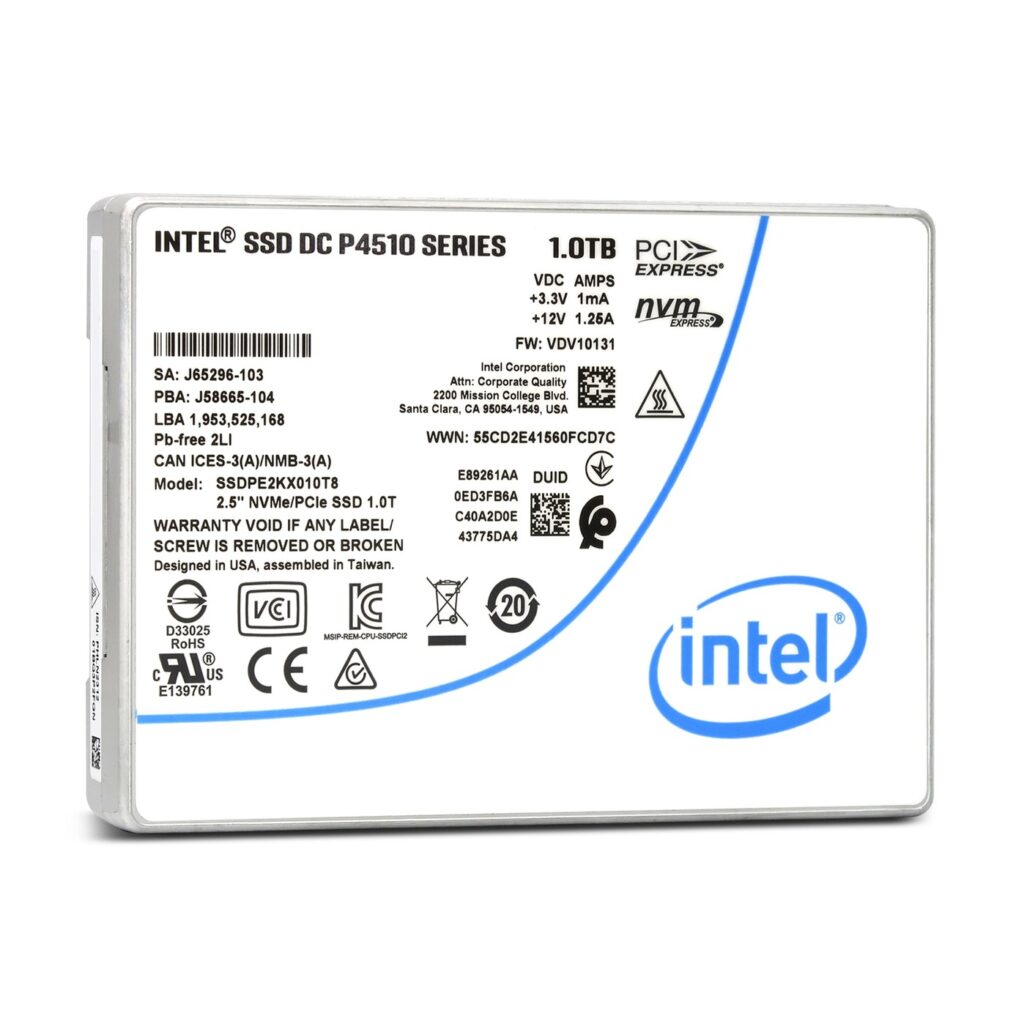
Intel SSDPE2KX010T8 P4510 1TB NVMe enterprise SSD, front label view

Enterprise SSD Buying Guide: Interface, Endurance, and Form Factor Explained

Every enterprise SSD spec sheet lists the same handful of numbers, but they don’t all matter equally for every buyer. This guide covers the ones that actually change which drive is right for your workload — interface, endurance, and form factor — rather than every marketing bullet point on the box. Start with the interface:

Enterprise SSD Buying Guide: Interface, Endurance, and Form Factor Explained Read More »

Samsung PM893 vs Intel D3-S4510: Comparing Enterprise SATA SSDs

The Samsung PM893 and Intel D3-S4510 sit in the same class: 2.5-inch, SATA III, read-intensive enterprise SSDs aimed at the same workloads. On paper their performance numbers are close enough that the spec sheet alone won’t make the decision for you — here’s what actually differs. Quick answer Performance-wise, these two are close enough that

Samsung PM893 vs Intel D3-S4510: Comparing Enterprise SATA SSDs Read More »

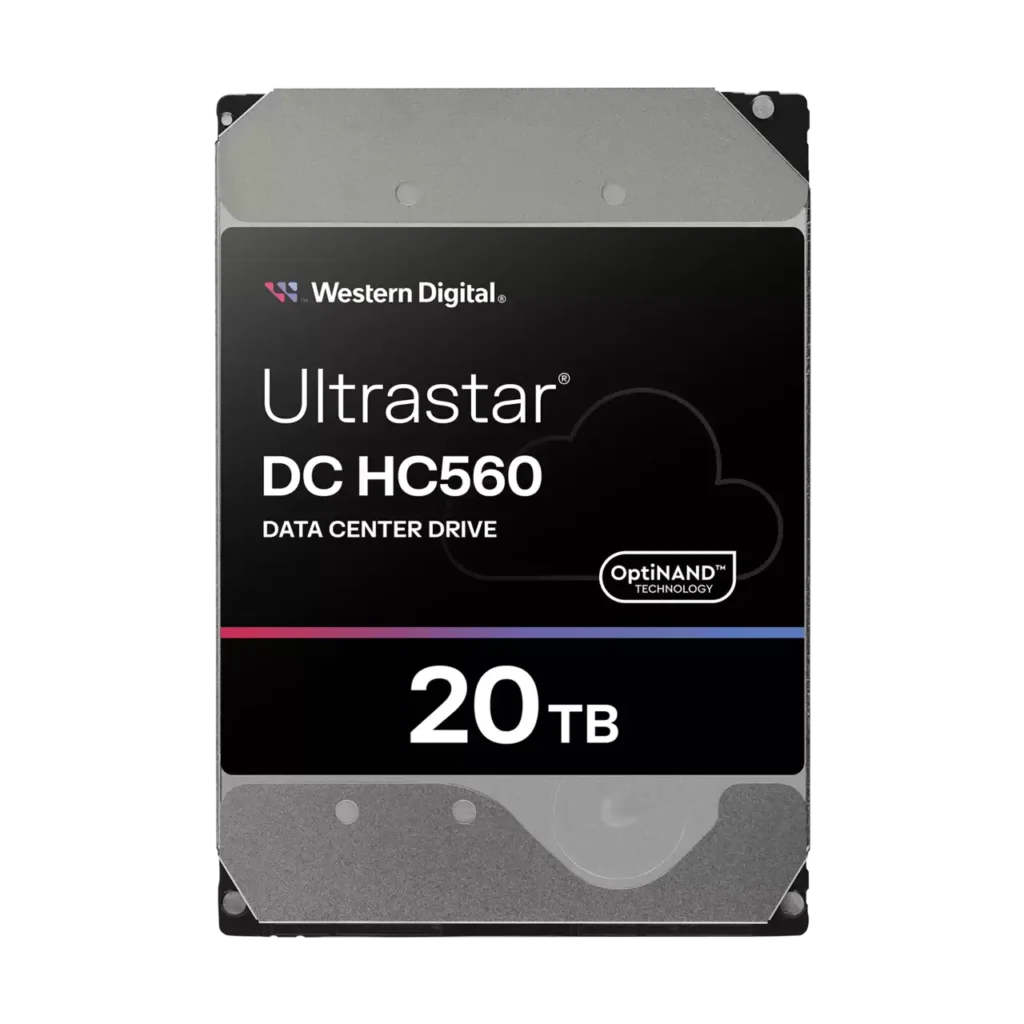
Western Digital HUH721020ALE604 Ultrastar DC HC560 20TB SATA enterprise hard drive

Western Digital Ultrastar HC520 vs HC550 vs HC560: Which Drive Should You Buy?

Western Digital’s Ultrastar DC line covers a wide capacity range, and the HC520, HC550, and HC560 all look nearly identical on a spec sheet: 3.5-inch, SATA, 7200 RPM, enterprise-grade. The real differences are capacity and recording technology, and they matter more than they might look for a NAS or server rebuild. Quick answer If cost-per-drive

Western Digital Ultrastar HC520 vs HC550 vs HC560: Which Drive Should You Buy? Read More »

Shopping Cart